
Cecilie Fjellhøy on when design becomes a weapon: the role of UX in fraud prevention
September 30, 2025 | By Jeff Meyer | UGCSwipe left, swipe right. It’s a simple design choice that revolutionized dating and, in the case of the Tinder Swindler, enabled one of the most notorious frauds of the digital age. Cecilie Fjellhøy, whose story was told in the Netflix documentaries The Tinder Swindler and Love Con Revenge, knows better than most how invisible flaws in user experience (UX) can be weaponized by criminals. Her scammer exploited every corner of app design, from trust signals to frictionless onboarding. But what if those same design elements could have stopped him in his tracks?
In this conversation with Ailís Daly, Head of Trust & Safety for EMEA at WebPurify, an IntouchCX company, Cecilie brings both survivor perspective and professional expertise as a UX designer. Together, they unpack how digital design choices create an environment that can either enable fraud or prevent it.
The human cost of design failures
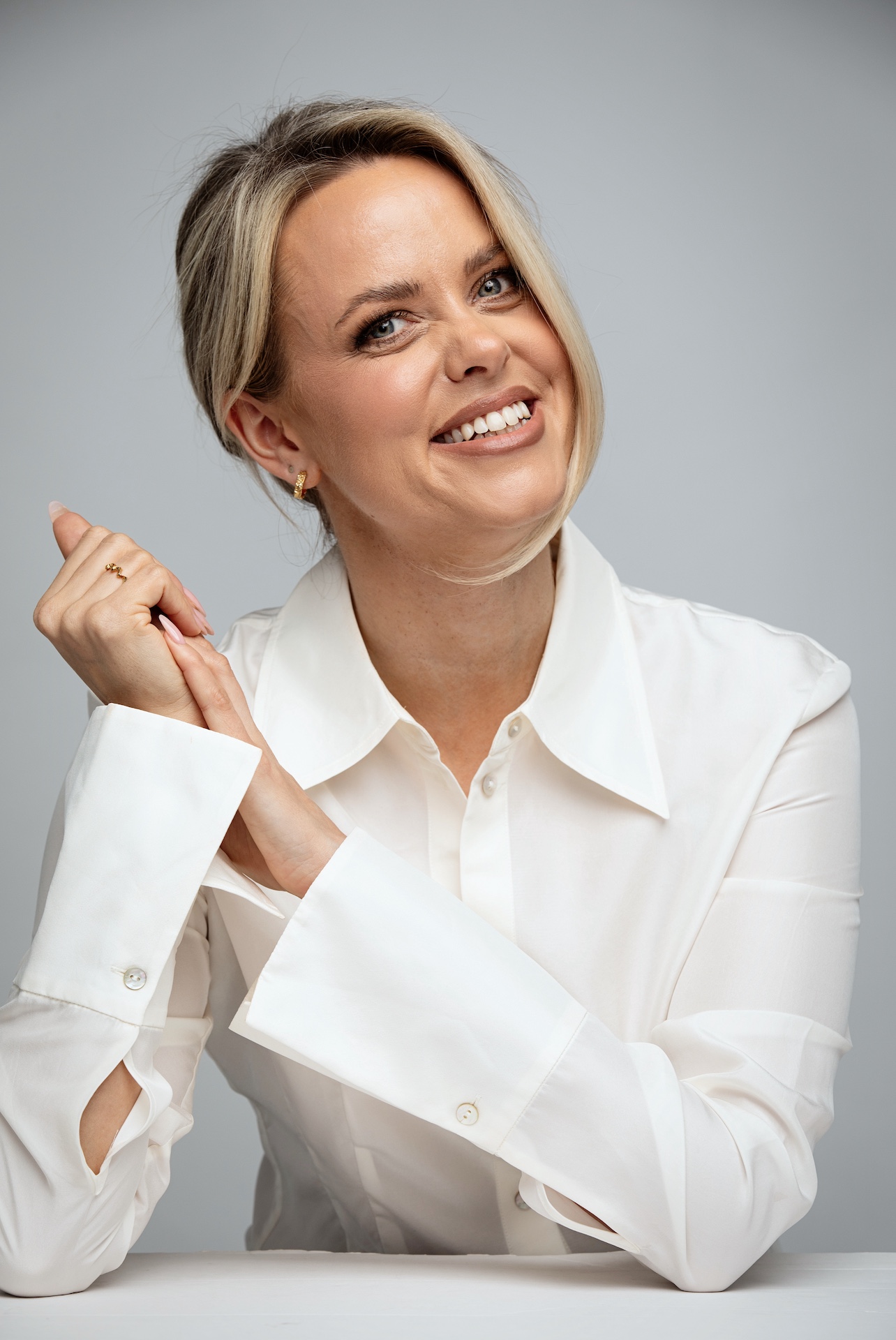 Fraud is often discussed in terms of numbers: the billions lost each year, the percentage of users affected, the cost to platforms. But behind every statistic is a person whose life has been upended. Cecilie Fjellhøy’s story brings that reality into sharp focus. While the The Tinder Swindler told part of her experience, it only scratched the surface of the emotional aftermath that follows a romance scam of this scale.
For Cecilie, the real battle didn’t end when the con was exposed. Instead, it began afterwards when dealing with the psychological fallout, navigating a justice system ill-equipped to help, and trying to rebuild trust in both people and the platforms she uses. What the public often misses is that, beyond losing money, fraud victims lose confidence in the systems they relied upon, and sometimes they even lose faith in their own judgment.
“I often say the fight for victims only really starts once the fraud itself is over,” she says. “That’s when the tough journey of healing, recuperation, and trying to get your life back begins.”
In many ways, fraud is the start of a long-term struggle that can shape every interaction victims have with technology going forward. It’s this human cost, Cecilie argues, that’s often invisible in most product roadmaps and makes thoughtful, empathetic UX design so essential.
UX as a double-edged sword
User experience design is often seen as a force for good because it simplifies journeys, streamlines actions, and makes our digital products feel frictionless. But those very qualities can also be a gift to fraudsters. A well-placed trust signal, a familiar interaction pattern, or a lack of barriers can all be exploited to create a false sense of safety.
End-to-end encryption, for example, is celebrated as a cornerstone of online privacy. But in Cecilie’s words, it has also become “the hunting ground of fraudsters,” giving criminals space to operate with little risk of detection.
From her perspective as a UX designer, the real sorrow lies in the absence of signals or interventions that could warn users when they are stepping into dangerous territory. “We want privacy, yes,” she explains, “but we also need protection from harm.”
Her frustration extends to the flood of fake ads and profiles that platforms continue to allow. These design failures, she argues, are not inevitable – they’re choices. The simplest fix would be to remove them outright before they can reach users. And while verification was once a crucial safeguard – Cecilie herself relied on it when imposters set up fake accounts in her name – its meaning has been diluted as platforms began selling verification badges to anyone willing to pay.
“What the [Netflix] documentary didn’t really show was the depth of the manipulation – the small cues, the signals of legitimacy. Those were as powerful as the words he used, because the design itself helped reinforce his story,” Cecilie says.
When safety isn’t built in, what should be intuitive tools for connection can become the scaffolding of a con. Recognizing this duality is the first step toward making UX not just seamless, but secure.

Balancing friction and trust
In design circles, “friction” refers to the small obstacles or extra steps placed in a user journey, such as additional verification, confirmation prompts, or security checks. Conventional wisdom tells designers to minimize friction to keep users engaged, but in the world of fraud prevention, this type of friction can save lives. The right speed bumps, introduced at the right moments, can disrupt online scams before they take hold.
For Cecilie, the absence of friction was exactly what made her scammer’s deception so seamless. She recalls wishing there had been warning signals or interventions that could have broken the illusion.
“From my design perspective, I wanted there to be some kind of warning signals or alerts if a group was sharing scam links, or if websites were clearly criminal,” she says. “But the way the system was built, you weren’t supposed to see those insights, so the danger stayed hidden.”
She also highlights how scammers exploit scale. The ability to spin up endless fake dating profiles with no checks in place creates an ecosystem where fraud can multiply unchecked.
“You can create a lot of fake profiles, and there are really no design choices limiting how many someone can make. That gap makes it incredibly easy for criminals to build whole networks of deception,” she explains.
The danger of making everything “frictionless” is that it removes barriers not just for legitimate users, but for criminals too.
The challenge for businesses is not whether to add friction, Cecilie argues, but where to place it. A well-timed verification step when money changes hands, or a pause before sensitive information is shared, can stop a scam in its tracks. Friction, in other words, isn’t always an inconvenience; it can be a critical form of protection.
Designing with empathy and survivor input
If there is one lesson Cecilie Fjellhøy wants platforms to learn from her experience, it is this: design cannot be effective unless it is empathetic. For too long, product teams have prioritized growth and engagement metrics over the lived reality of the people using their platforms. Empathy in design means acknowledging that users are not always operating under ideal conditions. They may be stressed, manipulated, or misled, and in those moments, small design choices can either protect them or leave them dangerously exposed.
Cecilie is uniquely positioned to speak to this. As both a survivor of fraud and a trained UX designer, she has an insider’s view of how design decisions land in the real world, and she believes survivor voices are essential data points that can reveal blind spots invisible to designers who have never faced such manipulation.
“The bigger issues we’re facing need more than just our opinions. They need to be grounded in academic research and lived experience,” she says. “That combination ensures we’re not just imagining threats but designing for the reality victims face every day.”
Cecilie describes how when fake profiles or ads go unchecked, or when verification is inconsistent, platforms end up signalling legitimacy to users who are already vulnerable.
“It’s not only about the way an app looks. Design is also about the processes behind it. How easy is it to report something suspicious? How fast does the platform respond? Those choices tell users whether they are protected or on their own.”
Trauma-informed design, for example, ensures that interfaces don’t retraumatise victims but instead guide them to safe and supportive outcomes. Co-designing with survivors ensures that a platform’s prevention strategies address real-world tactics fraudsters use, not just hypothetical scenarios product teams imagine.
For Cecilie, empathy in design is also about recognizing scale. Fraud victims often feel isolated, as if their case is unique, when in fact many have shared the same experience. By consulting with survivors, platforms can see the patterns – the recurring tricks, the pressure points where users are most likely to falter – and design defenses that anticipate them.
Ultimately, survivor voices bring a rare clarity, she argues. They know exactly where design failed them, and they know what interventions might have made the difference.
The industry’s responsibility
For years, fraud has been framed as a problem of individual responsibility. Users are told they need to be more careful, they need to double-check links, they need to spot the red flags. But Cecilie’s story shows the limits of this thinking. No matter how savvy an individual may be, the odds are stacked against them when the platform itself is designed in ways that enable deception. That makes fraud prevention not a user issue, but a systemic one and a responsibility that sits squarely with the industry.
Cecilie believes there’s a need for a culture change. Safety cannot be an afterthought, patched on once growth targets have been met. It must be baked into every design decision, from the way accounts are created to how suspicious activity is flagged and acted upon. That means Trust & Safety teams should not be siloed or reactive. They need a seat at the product table from the very start.
This responsibility also extends beyond the walls of any single platform. Fraudsters are agile and opportunistic, moving quickly across many different apps and services. That makes it crucial for platforms to better collaborate on strategies, and also work more closely with regulators. Fragmented responses only serve to leave victims unsupported and scammers emboldened, whereas proactive, industry-wide standards can make scams harder to execute and easier to stop.
So the question now for platforms is no longer whether to act, but how. Every design choice – every tickbox, warning, and trust signal – shapes the landscape of online safety, and the future of fraud prevention depends on whether companies choose to design with fraudsters in mind, or with survivors.