
What The Tinder Swindler survivor, Cecilie Fjellhøy, can teach us about online fraud prevention
August 19, 2025 | By Jeff Meyer | UGCIt starts with trust. That’s the raw material every fraudster exploits and the very thing many digital systems are still so ill-equipped to protect. We’ve spent the last decade building platforms that prioritize seamless engagement, instant connection, and frictionless UX. But in doing so, we’ve failed to account for the cost of emotional harm. What happens when the thing that makes a product delightful is also what makes it so dangerous?
Cecilie Fjellhøy knows the answer intimately.
 You may recognize her name from the viral Netflix documentary The Tinder Swindler. But if that’s where your understanding of her story begins and ends, you’re missing the most important part. Cecilie isn’t just a survivor of one of the most high-profile romance scams in recent memory; she’s a UX designer by training, a keynote speaker, and a fierce advocate for fraud prevention with a human face.
When Ailís Daly, Head of Trust & Safety, EMEA, at WebPurify, an IntouchCX company spoke to her recently, she challenged us to think differently about fraud and how we respond to it.
Her experience reveals something platforms, law enforcement, and even the public still fail to grasp: scams aren’t just financial crimes. They’re emotional invasions. And our systems are still punishing victims instead of protecting them.
“That is what I was so set aback with – that people only cared about the money,” Cecilie says about the aftermath of her experience. “That was the first thing they asked, and not how I was. That this had been my boyfriend. They knew that this man had been someone I had loved and trusted, and he had abused that trust.
The hidden aftermath
Cecilie’s story has been told through headlines and hashtags, but what’s often lost is the emotional terrain of her recovery. Yes, she lost money. Yes, she was defrauded. But what she describes is closer to an abusive relationship than a mere transaction.
“What goes through most victims’ minds is that we were either cheated on or in an abusive relationship,” she says. “These thoughts are so much more human than the financial aspects that we usually go into.”
This emotional complexity is rarely acknowledged by platforms or authorities. After reporting the fraud to the police, Cecilie was met not with empathy, but with confusion.
“I took up nine loans, so I had my creditors hunting me to get me to pay invoices… But then you meet police officers who are not trained, who don’t really understand what romance fraud is,” she explains.
When the system fails twice
Cecilie argues that the trauma of being manipulated and defrauded is compounded when victims try to seek help and hit a wall. Whether it’s financial institutions demanding repayment or law enforcement treating the case as low priority, survivors are made to feel complicit in their own harm.
“When we look back on the treatment of fraud victims, I think we’ll be appalled,” Cecilie says. “Just like with how we used to treat rape or domestic abuse victims — where we’ve come a bit further — I think people will realize we got it really wrong.”
She clarifies that this isn’t a failure of intention. It’s a failure of design — of policy, of product, and of empathy. And it’s where platforms have an opportunity to lead.
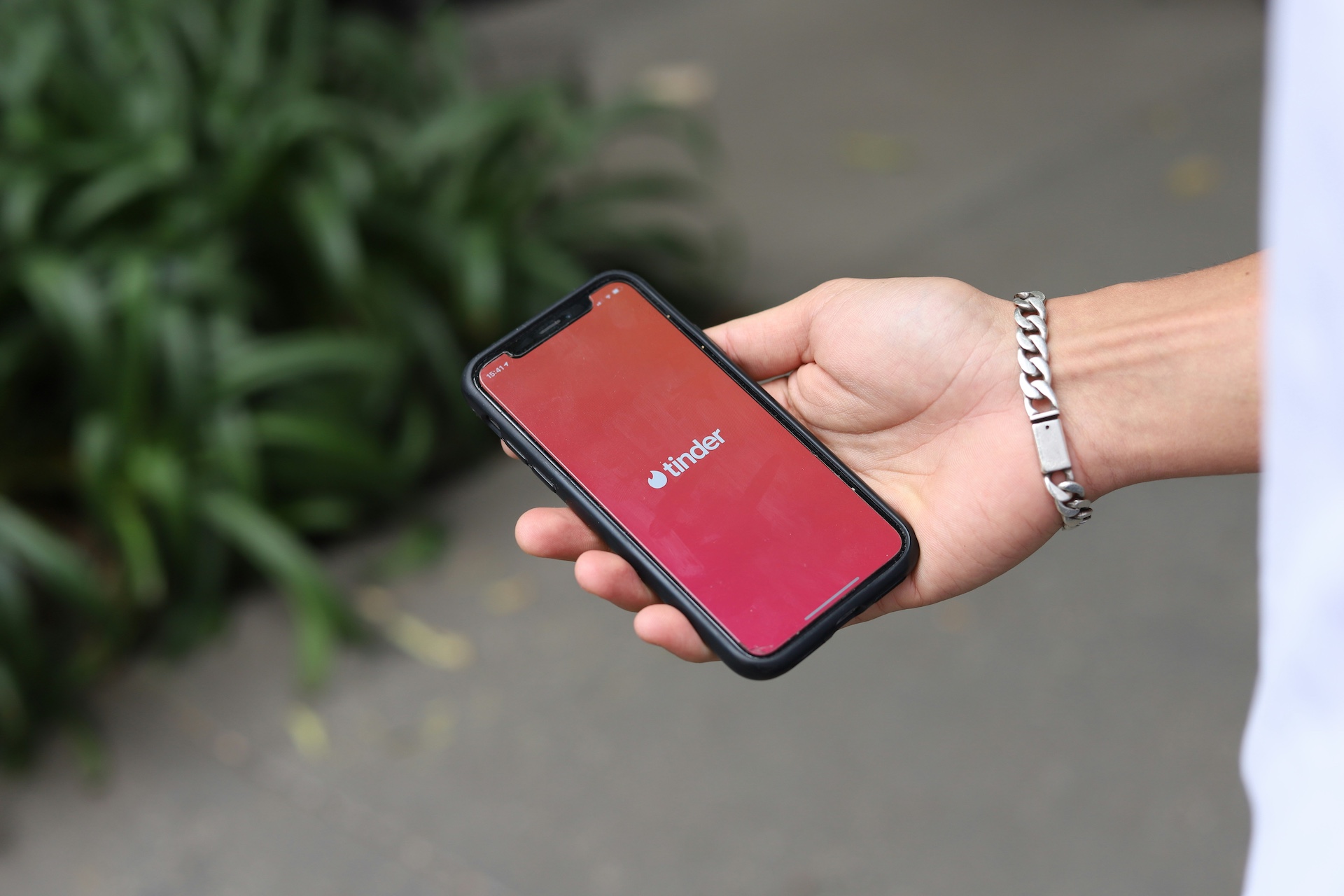
When empowering design enables harm
Before Cecilie became a public figure, she worked as a UX designer. It’s what gives her a unique, and often overlooked, perspective on how design choices can enable abuse online.
“There are so many design features that are meant to empower users,” she explains, “but they’re also the very features that make it easy for bad actors to operate.”
To illustrate her point, she recalls how easily she was issued a platinum credit card with no checks. “You could just put in whatever you wanted in a digital form, and then you get it,” she explains. “What a design flaw!”
To this end, take the instant connection mechanisms that drive dating apps. Or the trust signals (like verification ticks or profile bios) that can be faked or gamed. These features are optimized for engagement, but they’re rarely interrogated through a safety lens.
Platforms often want users to feel in control. But the illusion of control can make users more vulnerable, not less. Cecilie argues that designers need to anticipate not just how users will behave, but how abusers will exploit those behaviors.
“We design systems assuming good intentions,” she says. “But the bad guys know exactly how to manipulate that.”
The case for survivor-informed design
Cecilie believes the solution isn’t just better content moderation. It’s survivor insight embedded at every stage of platform development.
“When you’ve been through something like this, you see things others miss,” Cecilie says. “I can look at a product and know exactly where the vulnerabilities are. Not because I studied it, but because I lived it.”
This kind of lived experience should be seen as vital intelligence for platform development. Yet survivors are rarely invited into product discussions or prevention campaigns. Their input is sometimes considered ‘too emotional’ or hard to scale. But without it, we’re building systems that are optimized for the average user, not the most vulnerable, she says.
“People in tech don’t always take lived experience seriously,” Cecilie said. “Even with my background in UX, I’ve had to fight to be heard, but I’ve lived through what most people only design for.”
Toward trauma-informed trust & safety
At WebPurify, we’ve long advocated for a multidisciplinary approach to fraud prevention, combining AI, human moderation, and decades of trust & safety expertise. But Cecilie’s perspective pushed us to go further. What if the future of trust & safety isn’t just technical, but trauma-informed?
That means designing policies, user flows, and even language with survivors in mind. It means understanding the emotional states people are in when they report abuse. It means training moderators to recognize signs of coercion and developing more effective QC programs for content moderation systems. And it means giving survivors something that’s still too rare online: dignity.
“I’ve been taken to court by four banks,” Cecilie says. “It’s been seven years, and I’m still stuck with it, while my fraudster has moved on to new victims.
“It’s not enough for platforms to say they care about safety. Survivors need to be protected and taken seriously when they speak up.”